Project Overview
A concept travel app covering destination discovery, saved trips, day-by-day itinerary building and a booking journey. The interface is designed for a phone held one-handed, often on a slow connection.
A concept travel app design covering destination browsing, itinerary building and a booking flow that stays readable on a phone.
Travel App Design is a concept project exploring how a trip-planning app should move a user from inspiration to a booked plan. Browsing, saving and booking are treated as one continuous flow rather than three separate features.
Travel apps tend to split inspiration and booking into different worlds. A user finds somewhere appealing, then loses it in a search interface that has forgotten the context.
Keep the destination as the anchor: everything saved, planned or booked stays attached to the place the user was excited about.
A concept travel app covering destination discovery, saved trips, day-by-day itinerary building and a booking journey. The interface is designed for a phone held one-handed, often on a slow connection.
The objective was continuity. A traveller planning a trip switches between dreaming and deciding constantly, and the app had to support both without forcing a mode change.
Photographic and immersive at the discovery layer, then progressively plainer as the user moves toward booking, where clarity matters more than atmosphere.
Three flows carry the app: browse, plan, book. Browsing is visual and endless-feeling. Planning collects saved places into an editable day structure. Booking presents dates, travellers and price in a fixed order so nothing is confirmed by accident.
Large imagery, a compact type scale for dense itinerary views, and one accent colour reserved for confirming actions. Iconography is limited to navigation and status.
Designed mobile-first for small screens, with layouts that scale to larger phones and tablets without changing the navigation model. Media is progressive and cached so browsing works on unreliable connections.
Screens are composed from a shared component set — destination card, itinerary row, booking summary — so new destination types need data rather than new design. Video and imagery load lazily as the user scrolls.
App products are discovered through store listings and a supporting web presence rather than in-app search engines, so the SEO work sits on the marketing side: a descriptive case-study page, clear naming of travel app design and itinerary planning as topics, and internal links from the app development service page.
The concept optimises for a completed booking and a returning planner — the two behaviours that make a travel product viable.
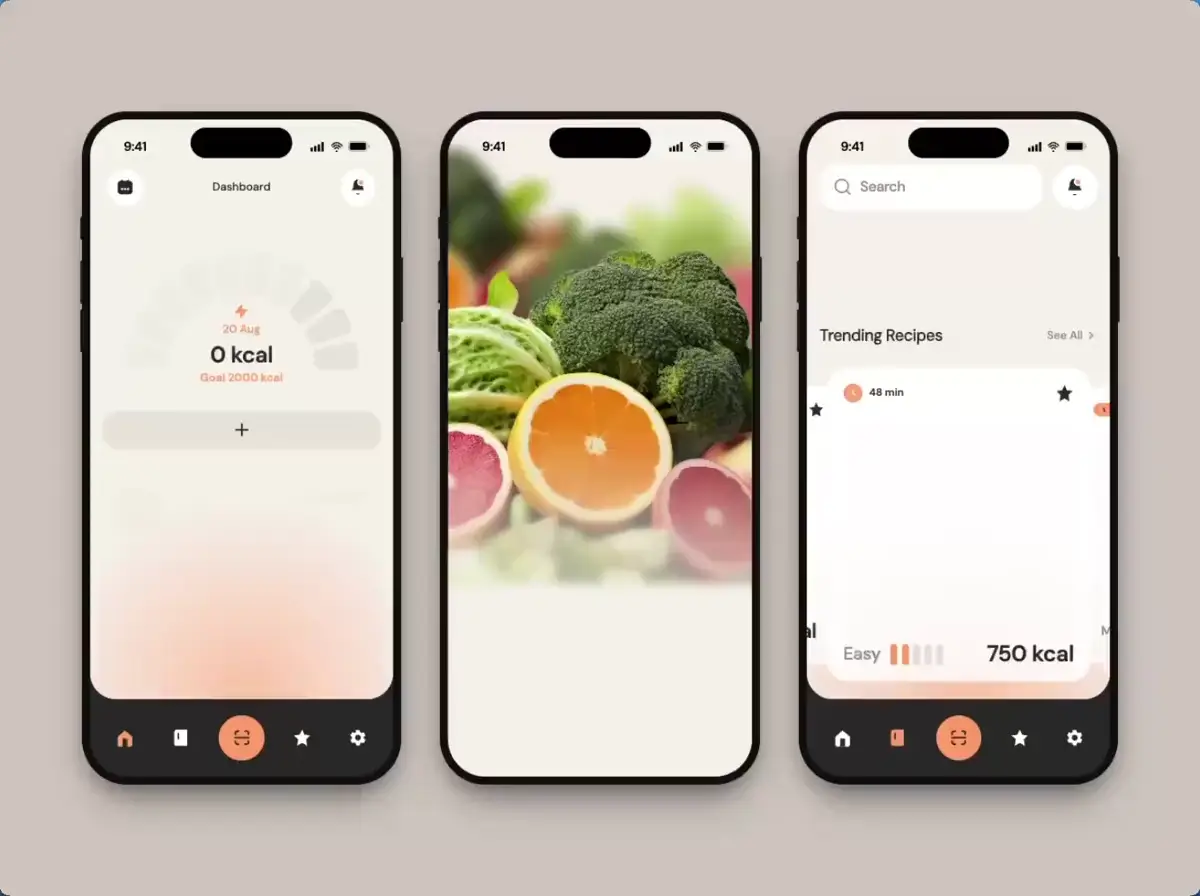
A concept calorie tracker app designed around fast daily logging, readable progress and habits that survive past the first week.
View Case Study→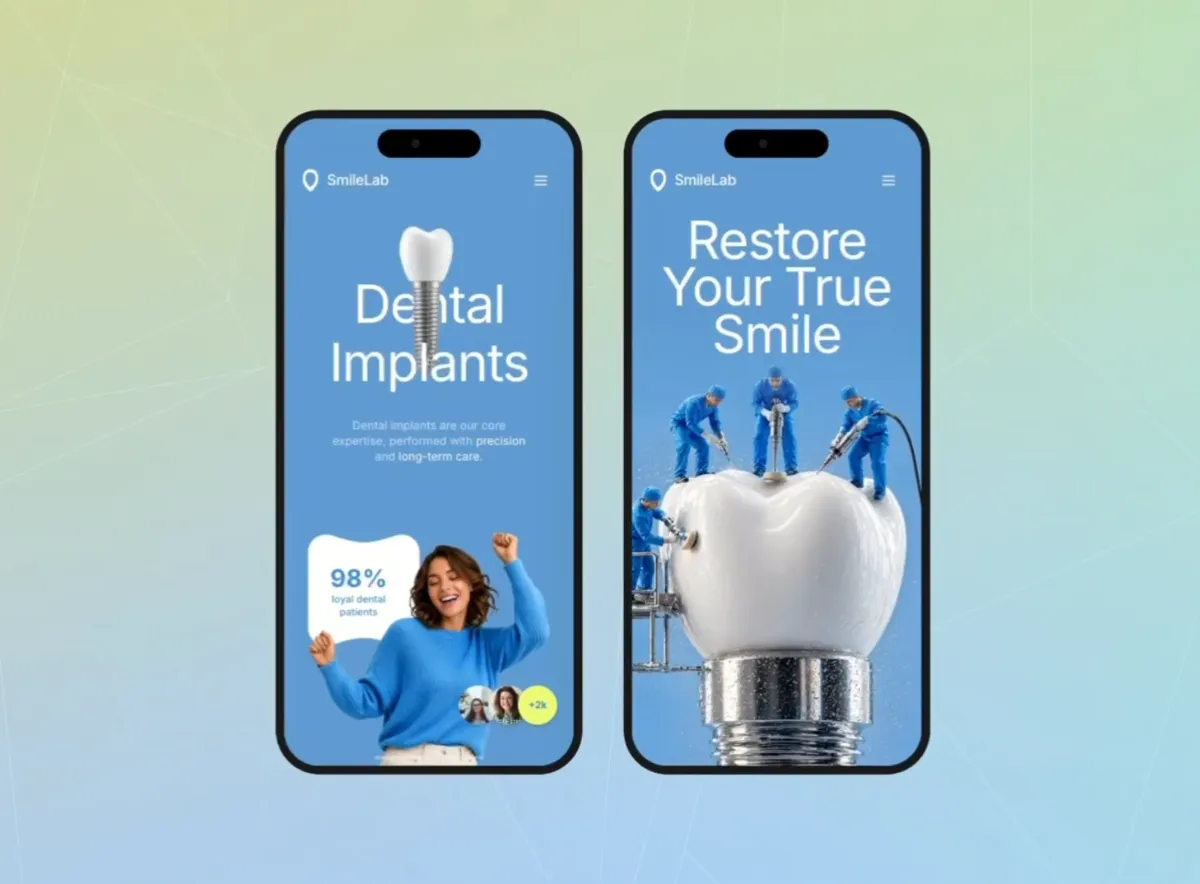
A concept dentist clinic app covering treatments, practitioner profiles, appointment booking and reminders.
View Case Study→Tell us what you're planning and we'll come back with scope, timeline and cost.
Start a project